
Alcohol and Blood Thinners: Is Mixing Them Dangerous?

This can lead to the same harmful effect of excessive anticoagulation. Large amounts of goji berries (more than 6-12 grams) can intensify the effects of warfarin, raising the risk of bleeding. In a more recent case, a 65-year-old Chinese man who had been taking warfarin long-term experienced high INR levels and bleeding after drinking goji berry wine. Even more concerning, the extract increased bleeding time and prolonged clotting times in rats, which are clear signs of antiplatelet and anticoagulant activity.
Foods to Avoid on Blood Thinners
- Other times, an immediate trip to the ER or a call to 911 is imperative, says Dr. Alvarado, because some bleeding episodes can be life-threatening.
- Always consult with a medical expert about any health related issues.
- Without an information overload or a sales pitch, you’ll learn key considerations to protect your health while on this medication.
- Although some medical studies have found that moderate drinking can provide some positive blood thinning effects, reducing the risk of blood clots, drinking too much has the opposite effect.
However, higher amounts of alcohol consumption may have the opposite effect and increase the risk drug addiction of blood clotting. It’s best to avoid mixing alcohol and blood thinners due to the risk of stomach irritation and increased bleeding. If a special occasion is approaching, aim to space out drinks from your medication doses and limit them to only one or two. Additionally, regular alcohol consumption can affect the liver’s ability to process certain blood thinners, particularly warfarin, leading to unpredictable medication levels and effectiveness. This can make it more challenging to maintain therapeutic drug levels, necessitating more frequent monitoring and adjustments by healthcare providers. Drinking coffee in moderate amounts while on blood thinners is generally considered safe, but it’s important to maintain consistency in your caffeine intake.
What are the side effects of Eliquis?
Anyone who experiences severe symptoms, such as constant bleeding, intense pain, or dizziness, should seek emergency care. Occasional, moderate alcohol use should be safe for most people who are taking blood thinners. For example, people with liver problems may need to limit their alcohol use more strictly.
Can you drink orange juice while on blood thinners?
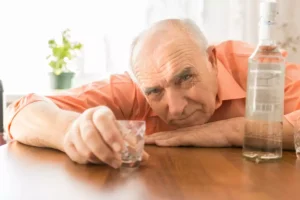
They help prevent blood clots, which can lead to strokes or heart attacks. However, the interaction between blood thinners and alcohol is a topic that raises many concerns. Understanding what happens if you drink on blood thinners is essential for anyone taking these medications, as it can have significant implications for safety and overall health. There are several risks related to mixing alcohol and blood thinners.
Within the last few years, a new class of blood thinners was developed. They offer a number of benefits over warfarin, but they do have some disadvantages. Experts suggest moderate alcohol consumption is generally safe while taking blood thinners. It may be OK to mix Brilinta and alcohol with the permission of your doctor; however, it generally should be avoided. Brilinta is often prescribed with aspirin, increasing the risk of bleeding even more when alcohol is used. It may be safe to take Plavix while using alcohol in moderation; however, you should still check with your doctor before doing so.
Bone Health
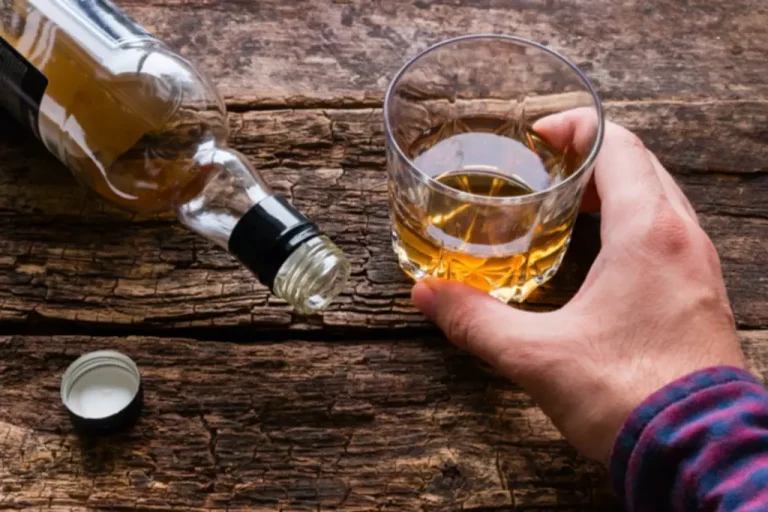
The type of alcohol doesn’t matter as much as the quantity consumed. All forms of alcohol can thin blood thinners and alcohol the blood and increase bleeding risks. Communicate with Your DoctorAlways consult your healthcare provider to determine if alcohol is safe for you. They can provide personalized guidance based on your overall health, lifestyle, and treatment plan. Increased Bleeding RiskAlcohol interferes with the body’s ability to clot, and when combined with Eliquis, this effect is amplified. This can lead to an elevated risk of internal bleeding, including serious conditions such as brain hemorrhages or gastrointestinal bleeding.
This article discusses the effects that alcohol has on the blood in both the short and long term. Your doctor can help determine the cause of the bleeding and provide appropriate treatment. If you need help quitting or cutting down on alcohol, speak to a health professional who can give you advice or resources that might help support you through the process. Find a brighter tomorrow by starting with our compassionate team of medical professionals and recovery specialists today.
These symptoms can indicate serious complications related to your blood thinner medication and alcohol consumption. Drinking alcohol while on blood thinners can increase the risk of bleeding and cause serious health complications. https://ecosoberhouse.com/article/alcohol-and-anxiety-can-drinking-cause-panic-attacks/ Plavix stops platelets from sticking together to form harmful clots. Alcohol’s antiplatelet effect may compound Plavix’s actions, significantly increasing bleeding risks.
Can people drink alcohol while taking blood thinners?
Two weeks later, his INR rose sharply to 4.77, even though he followed the new dosing. The only change he reported was that he had started eating grapefruit. In one case, a couple who had been stable on warfarin both took grapefruit seed extract for three days. The woman developed a small bruise, and the man’s INR jumped to 5.1, meaning his blood was too thin.
Mental Health Recovery: Overcoming Prescription Drug Addiction
Blood thinners work by interfering with the blood’s ability to clot. This process involves reducing the action of proteins or platelets that are necessary for clot formation. Doing so helps prevent existing clots from growing larger and stop new clots from forming, thus ensuring better blood flow and reducing the risk of serious health events. Post-Surgery or Dental ProceduresDoctors often advise patients to avoid heavy drinking after surgery or a tooth extraction. Even moderate alcohol can hamper wound healing, increase bleeding, or interact with post-op medications like analgesics or antibiotics.