
Ibuprofen Addiction: Seeing the Risks and Seeking Help PCP The Perry Clayman Project

As for management of mild alcohol withdrawal, with diazepam as in Table 11. Patients should drink 2-4 litres of water per day during withdrawal to replace fluids lost through perspiration and diarrhoea. Patients should drink at least 2-3 litres of water per day during stimulant withdrawal. Multivitamin supplements containing B group vitamins and vitamin C are recommended.
Healthcare Professionals
These risks are lower when smaller amounts of alcohol are consumed but are still a factor. Knowing when you or your loved one is experiencing an overdose is crucial. Although ibuprofen is a typically safe medication when used correctly, it can poison the body if large enough amounts are taken. Someone may start taking Ibuprofen to manage mild to moderate physical pain. This may lead to the risk of developing a dependency or tolerance on the drug due to feeling like they cannot function normally without it.
Management of stimulant withdrawal
- Consult the package recommendations for the recommended dosage based on your child’s weight.
- The risk of developing these conditions is higher for those who have been taking ibuprofen for a long time.
- When they finally cut back, they may experience withdrawal symptoms, similar to substance use disorder.
- This could be harmful physically, psychologically, socially, and financially.
- Still, individuals have the option to have their primary care physician seek out drug treatment services on their own by using dedicated hotlines and online support platforms.
Nonprescription Ibuprofen may be used to relieve pain from muscle aches, headaches, menstrual period, backaches, toothaches, and the common cold. Ibuprofen dependence can occur in individuals who have been using the drug for chronic pain management. Food addiction is highly prevalent among individuals with mental health conditions, especially in those with eating disorders, affective (mood) disorders, and personality disorders. It’s important to gradually reduce your dosage of anti-anxiety medications to avoid withdrawal symptoms, like anxiety, dizziness, irritability, or even more serious effects like seizures. Kidney damage can be severe and even life-threatening when taking alcohol and ibuprofen together.
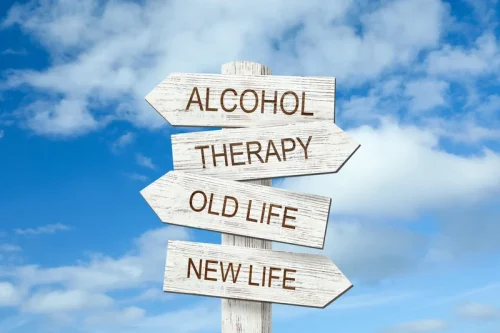
Ibuprofen Addiction Symptoms and Withdrawal Effects
- This process may involve introducing alternative pain management strategies or medications to ease the transition.
- Adopting healthy habits may also help relieve pain, minimising the need for medications like ibuprofen.
- In that case, you should continue taking the aspirin until otherwise ordered by your physician.
- Contact your doctor or pharmacist if you have any other side effects not covered above.
- Medications including methadone or naltrexone injection can help to prevent opioid use, while Lucemyra (lofexidine) is available to treat withdrawal symptoms.
- But beneath its benign exterior lies a potential for dependency that can catch even the most cautious consumer off guard.
This article explores the symptoms, causes, diagnosis, and treatment of ibuprofen addiction. Over 11% of ibuprofen users take over the prescribed dosage and have the potential to become dependent on the medication, says Angeleena Francis, LMHC, Vice President of Operations at AMFM Healthcare. An individual alcoholism may begin taking Ibuprofen in order to manage mild to moderate physical pain.

What You Need to Know About Quitting Painkillers
However, long-term or excessive use can lead to potential risks, including addiction. While ibuprofen addiction is not as common as with opioids or benzodiazepines, it is still a possibility. Despite previous attempts to stop overeating and giving in to food cravings, people with food addiction tend to continuously fail to do so.

We’ll also explore how to manage and recover from ibuprofen dependency, offering practical tips and strategies to help you or a loved one regain control. By the end of this blog, you’ll have a clearer understanding of ibuprofen addiction and the steps you can take to ensure safe and effective pain management. While ibuprofen addiction is less common than with other drugs, understanding the potential for dependence is vital for responsible use.

Withdrawal typically begins 1-2 days after the last dose, and continues for 2-4 weeks or longer. Patients should drink at least 2-3 litres of water per day during withdrawal to replace fluids lost through perspiration and diarrhoea. It is crucial to steer clear of the improper use of ibuprofen to avoid these medical problems.
Despite feeling guilty or wrong, the behavior or pattern is repeated soon after the last incident. There are inevitable risks and consequences of mixing gabapentin and alcohol. Learn why combining these substances can be dangerous and how it may impact your health. Several risks can happen when alcohol and ibuprofen are taken simultaneously.
- Procedure for administering clonidine for moderate/severe opioid withdrawal.
- Ibuprofen is a nonsteroidal anti-inflammatory drug (NSAID), a class of medications taken by more than 29 million American adults every year.
Should you or someone close exhibit signs of a growing reliance on this medication, procuring expert assistance is vital for rehabilitation. It’s important to remember that seeking aid is commendable and initiating the path towards healing can occur at any time. Lifestyle changes are essential to managing and overcoming ibuprofen dependency. Controlling pain through stress management techniques can be effective can you get addicted to ibuprofen in lowering inflammation, which is often a source of pain and subsequent ibuprofen use. Adopting healthy habits may also help relieve pain, minimising the need for medications like ibuprofen.
Taking ibuprofen and alcohol together should be avoided when you suspect you have underlying health issues. The issue is that ibuprofen abuse is often challenging to detect because there are few signs or symptoms linked with excessive use other than the long-term side effects. The term Ibuprofen overdose is used to describe a more-than-normal drug intake. Human response in overdose cases ranges from the absence of symptoms to fatal outcomes despite intensive-care treatment.