
Vulnerable People Are Dying in Unregulated Recovery Houses

We found evidence that points to salience of organizational and some operational factors as well. Results from multilevel models testing the effects of various organizational, residence/operational, and programming characteristics adjusting for demographics, length of stay, treatment condition, and time are presented in Table 3. As this table shows, the majority of houses (74%) were part of a larger group of houses owned/operated by the same entity.
City of Edmonds v. Oxford House, Inc. (
They have the opportunity to begin resuming their regular responsibilities and duties with increased independence while staying somewhere that provides additional support and a safe environment for their sobriety. Sober living caters to individuals battling various substance addictions, including alcohol. Ensure you research homes specializing in alcohol recovery to provide him with the most tailored support. To convince your son to go to sober living, it’s important to approach the conversation with empathy, understanding, and factual information about the benefits of sober living homes.
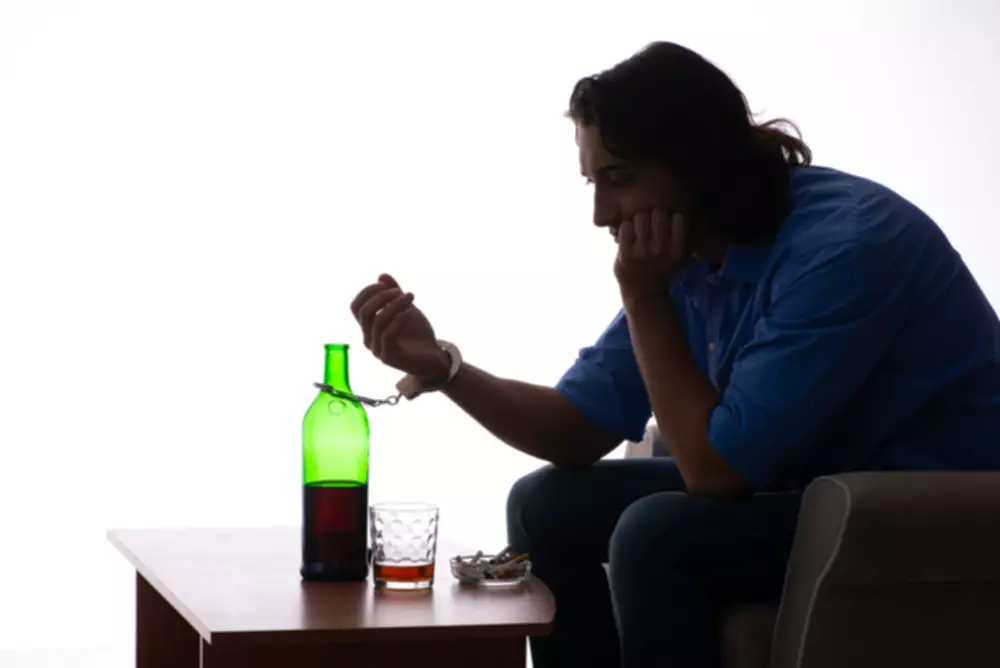
Importance of Community Support
Once again, residents did not know whether naloxone was kept at the house and if so, where it was. “Now there’s Narcan all over the place,” he said, adding that all staff and residents must have naloxone training. Applicants for state licenses must allow residents to use FDA-approved opioid use disorder medications, which many facilities currently do not. The Arizona Center for Investigative Reporting is the state’s only independent, nonpartisan and collaborative nonprofit newsroom dedicated to statewide, data-driven investigative reporting.
HOA Prohibitions, Restrictions, and Requirements for Sober Homes
- House officers have term limits to avoid bossism or corruption of egalitarian democracy.
- Most sober living homes require residents to pay rent, but it’s typically more affordable than many alternative housing options.
- Some houses collect EES from its members on a monthly basis while many houses choose to collect EES on a weekly basis.
- This transition period can be stressful and may increase the risk of relapse for some individuals.
Formal addiction treatment often requires a multifaceted approach that includes individual counseling, group therapy, and evidence-based programs. Reliance solely on informal support groups may leave some residents without the essential therapeutic elements necessary for their recovery journey. Not all homes offer the same things, so finding one by word of mouth can be helpful.
Drawing from empirical findings regarding staffing and management practices, we hypothesized that residents who lived in houses where the manager lived onsite would have better outcomes. Law reforms like the Affordable Care Act (ACA) and the Mental Health Parity and Addiction Equity Act (MHPAEA) require health plan companies to provide insurance coverage for rehab. Covered services include different levels of care for substance use disorder.3,4 However, sober living homes do not fall on this continuum of care, and as a result, are typically not covered. (2017) Social support influences on substance abuse outcomes among sober living house residents with low and moderate psychiatric severity. A supportive housemate relationship can significantly increase the likelihood of sustained sobriety. With 90% of residents achieving financial independence while living in sober homes, these communal frameworks not only address substance use but also enhance overall emotional wellbeing.
- These cases provide strong legal precedents against municipalities and landlords who attempt to block sober living homes.
- Unlike the licensing and accreditation requirements placed on drug treatment facilities, sober homes exist as freestanding programs with no affiliations to specific treatment programs.
- Because it is voluntary, certification is not necessary to operate a sober home.
- For a couple of months in 1975, he found himself living on the streets and begging strangers for money before he entered a rehabilitation program.
But according to public records, there were signs of trouble within facilities and problems with providers’ licenses. The place where he stayed in Phoenix, a two-story house with a hot tub and swimming pool, looked like a mansion in the photos that Jeffrey Hustito shared in text messages, his sister, Katherine Hustito, said. She was pleased he seemed happy, though she was surprised the treatment program operators had helped him get an Arizona identification card and sign up for Medicaid in the state.
- But if time spent with your family is especially hard, you have the immediate support of your sober peers to process the experience when they’re gone.
- There was very little oversight or structure, she continued, but the owner collected weekly rent and took food stamps from residents who received them.
- And any co-occurring mental illnesses they may have should be actively managed by a psychiatrist and psychotherapist.
- It may also induce operators to more clearly define the service they provide and operate more similarly to the organizations with whom they are affiliated.
- For instance, it is not always a requirement for someone entering a sober living home to have completed an addiction treatment program.
That same year, Ducey appointed Jami Snyder, a deputy director at AHCCCS and former head of Texas’ Medicaid agency, to serve as director of AHCCCS. She pursued new initiatives, like additional mental health services and housing options for Medicaid recipients. She also had a more hands-off approach to agency operations, including fraud prevention, than her predecessors, according to former AHCCCS employees. The fraud flourished for years under the state’s American Indian Health Program, a Medicaid insurance option for tribal citizens that allowed providers to set their own reimbursement rates. This fee-for-service model, established as a result of federal requirements, aimed to ensure coverage for Native Americans living in areas not typically served by insurance companies. But with no limit on how much they could brighton sober living bill, some behavioral health providers claimed tens of thousands of dollars for a single counseling or treatment session.

How To Help Someone With Drug Addiction
We also describe plans to conduct studies of resident subgroups, such as individuals referred from the criminal justice system. A critically important aspect of one’s social network is their living environment. Recognition of the importance of one’s living environment led to a proliferation of inpatient and residential treatment programs during the 1960′ and 70’s (White, 1998). The idea was to remove clients from destructive living environments that encouraged substance use and create new social support systems in treatment.
Danielle Brown, a program director for the homelessness and addiction services provider Steppingstone Inc., said she doesn’t think regulations would be a bad idea, but she doesn’t think they’re necessary. Toon comes to this work after 19 years with the state Department of Children and Families. She said God called her to the task of running a sober house, following years of seeing the havoc addiction causes in families, seeing women struggling with substance abuse separated from their children. NEW BEDFORD — Destiny Newell kept looking east down Rivet Street, waiting outside the house to take the next step. Just that day in August, she marked 11 months sober, much of that time spent living here, at Traci’s Home, a sober house for women. The 28-year-old had a place to live, and a job, and was on her day off, sitting on wooden steps waiting for her driving instructor.
Oxford Houses are self-run, self-supported homes for individuals in recovery from a Substance Use Disorder.
Sober living homes are for people who have completed a treatment program but need additional support to sustain long-term recovery. Substance abuse may have taken years of your life, so sober living homes can help you regain them. Sober transitional living spaces like sober homes can help you by limiting your access to drugs and alcohol. The rules of sober homes are integral to ensuring the environment remains conducive to residents’ recovery.
When Recovery Housing Lacks Oversight
All-in-all, anyone considering a sober Substance abuse living program will want to research their options before committing to any one program. As staying engaged in the recovery process can greatly improve a person’s chances of ongoing abstinence, living inside a recovery-focused environment provides recovering addicts with a much needed lifeline once drug treatment ends. In all three states, sober homes aren’t regulated if they aren’t providing medical care, as long as local housing codes are followed.